
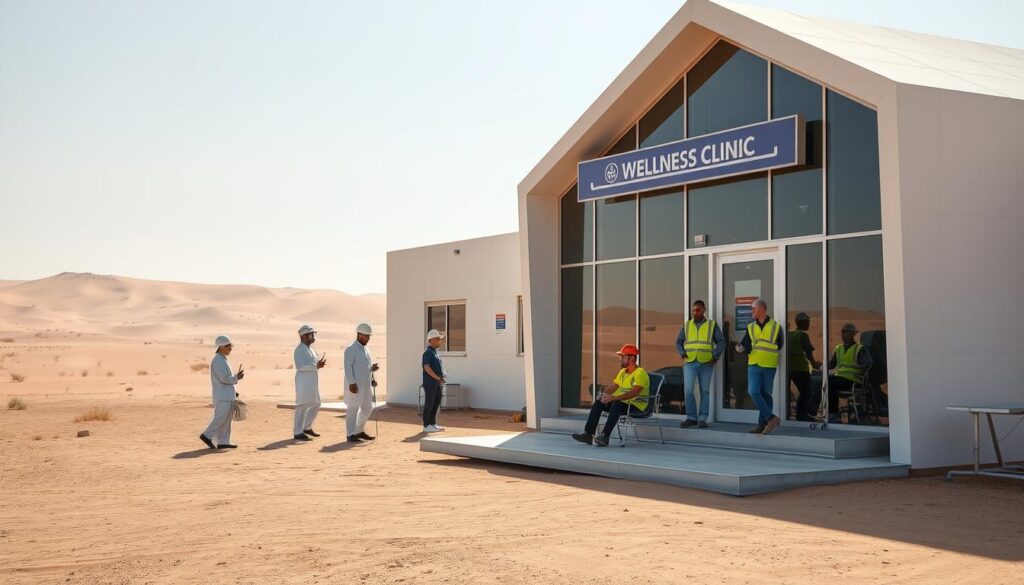
Imagine a remote worksite where headaches are treated before they become migraines, where chronic conditions are monitored before they lead to emergencies, and where your workforce remains consistently productive and healthy. This isn’t just an ideal scenario—it’s the reality that Remote Area Clinic Services (RACS) can create for your operation. While emergency response capabilities remain essential, forward-thinking companies are shifting toward comprehensive wellness programs that prevent health issues before they arise, creating healthier, more productive remote workforces.
From Reactive to Proactive: Transforming Remote Healthcare
Traditional approaches to remote worksite healthcare have focused primarily on emergency response—having the right equipment and personnel to address injuries and acute medical events. While this remains crucial, it represents only half of the equation. The most successful operations are now implementing comprehensive wellness strategies through Remote Area Clinic Services (RACS) that prevent emergencies from occurring in the first place.
The Reactive Approach
- Focuses on emergency response
- Addresses problems after they occur
- Results in workforce downtime
- Creates unpredictable healthcare costs
- Manages symptoms rather than causes
The Proactive Wellness Approach
- Emphasizes prevention and monitoring
- Identifies health risks before they escalate
- Maintains consistent workforce productivity
- Creates predictable healthcare investments
- Addresses root causes of health issues

“Companies implementing comprehensive RACS wellness programs report up to 30% fewer sick days and a 25% reduction in emergency medical evacuations.”
Chronic Disease Tracking: Prevention Through Monitoring
One of the most valuable aspects of a comprehensive RACS program is the ability to track and manage chronic conditions among your workforce. Rather than waiting for a health crisis, proactive monitoring allows for early intervention and consistent management.

Blood Pressure Monitoring
Regular monitoring helps identify hypertension before it leads to serious cardiovascular events. RACS programs implement scheduled checks and maintain digital records to track trends over time.
Blood Glucose Management
For workers with diabetes or pre-diabetic conditions, consistent glucose monitoring prevents dangerous fluctuations that could lead to emergencies and lost work time.
Cardiovascular Health
Comprehensive assessments and ongoing monitoring help maintain heart health, particularly important in physically demanding remote work environments.
Case Study: An oil extraction operation in Saudi Arabia implemented a RACS chronic disease tracking program and saw a 40% reduction in emergency medical evacuations related to cardiovascular events within the first year.
Infection Control Protocols: Safeguarding Your Operation
In remote environments where workers live in close quarters, infection control becomes critical to maintaining operational continuity. A single outbreak can quickly spread through a workforce, leading to significant downtime and productivity losses.
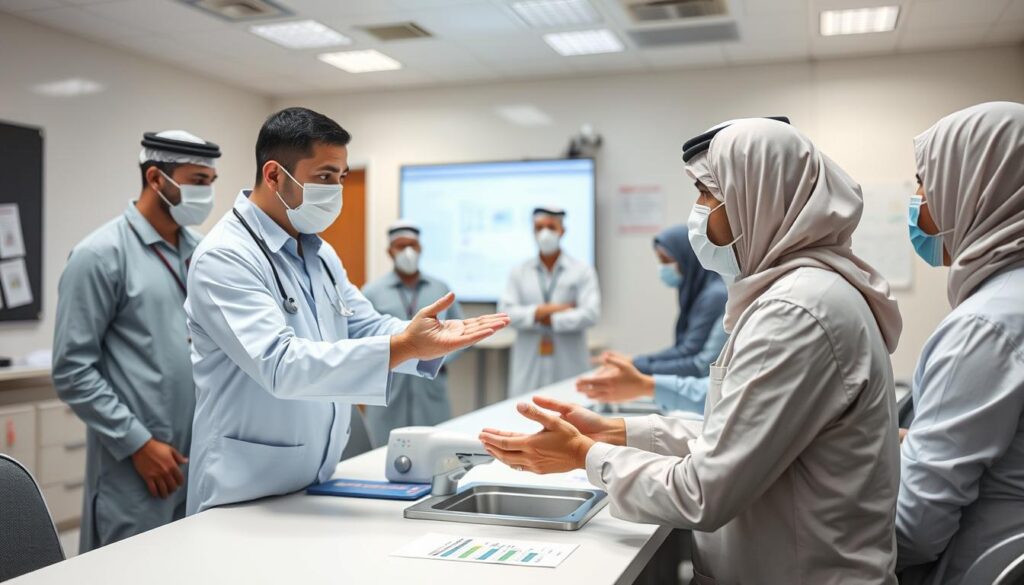
Proactive Infection Control Measures
- Regular hygiene audits of common areas and living quarters
- Standardized protocols for food preparation and handling
- Ongoing education about personal hygiene practices
- Strategic placement of sanitization stations throughout facilities
- Proper medical waste management systems
Outbreak Prevention Benefits
- Minimized risk of operational shutdowns
- Reduced absenteeism due to common illnesses
- Lower risk of serious infections requiring evacuation
- Improved overall workplace hygiene culture
- Enhanced compliance with health regulations
“Implementing comprehensive infection control protocols through our RACS program reduced seasonal illness-related absences by 35% and prevented two potential site-wide outbreaks.”
Health Awareness Programs: Educating for Prevention
Knowledge is a powerful preventive tool. RACS-driven health awareness programs create a workforce that understands how to maintain their health and recognize early warning signs of potential issues.

| Awareness Program | Key Components | Business Benefits |
| Posture Correction Workshops | Ergonomic assessments, proper lifting techniques, workstation adjustments | Reduced musculoskeletal injuries, decreased back pain complaints, lower physiotherapy costs |
| Chronic Disease Management | Education on diabetes, hypertension, and heart disease management | Fewer emergency evacuations, consistent medication adherence, reduced sick days |
| Nutrition and Hydration | Proper hydration practices, balanced nutrition for remote environments | Improved energy levels, reduced heat-related incidents, better overall performance |
| Mental Health Awareness | Stress management, isolation coping strategies, sleep hygiene | Improved morale, reduced turnover, better decision-making, fewer accidents |

Safety Trainings: Where Health and Operations Meet
Safety trainings represent the intersection of operational excellence and workforce health. RACS programs integrate comprehensive safety training that protects both your people and your productivity.
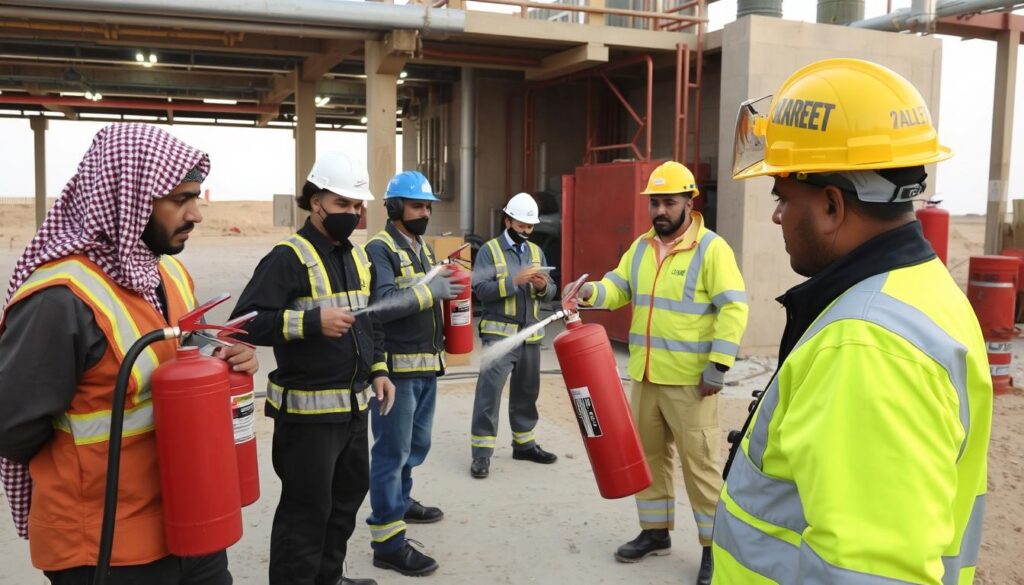
First Aid Kit Usage
Proper training ensures that minor injuries can be addressed immediately, preventing complications and reducing the need for medical evacuations or work stoppages.
Fire & Safety Training
Comprehensive fire safety protocols not only prevent injuries but also protect valuable equipment and infrastructure, safeguarding your operation’s continuity.
Toolbox Meetings
Regular safety briefings keep health and safety top of mind, creating a culture where workers actively participate in maintaining a safe, healthy environment.
ROI Insight: Companies implementing comprehensive RACS safety training programs report an average 3:1 return on investment through reduced accidents, lower insurance premiums, and decreased downtime.
The Business Case for Proactive Wellness
Beyond the clear health benefits, implementing a comprehensive RACS wellness program delivers measurable business advantages that directly impact your bottom line.

Quantifiable Benefits
- Reduced Absenteeism: Companies report 25-30% fewer sick days
- Lower Turnover: Improved retention rates by up to 20%
- Decreased Medical Evacuations: 40% reduction in costly emergency transports
- Insurance Premium Reductions: Documented wellness programs can lower premiums
- Regulatory Compliance: Meets and exceeds Saudi occupational health requirements
Qualitative Advantages
- Enhanced Reputation: Demonstrates commitment to workforce wellbeing
- Improved Morale: Creates a culture where employees feel valued
- Better Decision-Making: Healthier workers make safer, more effective decisions
- Competitive Advantage: Attracts top talent to remote positions
- Operational Continuity: Fewer disruptions due to health-related issues
Implementing RACS Wellness Programs: A Phased Approach
Transitioning from a purely reactive emergency response model to a comprehensive wellness program doesn’t happen overnight. A phased implementation ensures minimal disruption while maximizing benefits.

Phase 1: Assessment
- Evaluate current health status of workforce
- Identify specific risk factors and common issues
- Assess existing medical infrastructure
- Establish baseline metrics for measuring success
Phase 2: Implementation
- Deploy chronic disease monitoring systems
- Establish infection control protocols
- Initiate health awareness programs
- Conduct initial safety training sessions
Phase 3: Optimization
- Analyze program effectiveness data
- Refine approaches based on results
- Expand successful initiatives
- Develop long-term wellness strategies
How quickly can we implement a RACS wellness program?
Basic components can be implemented within 4-6 weeks, with full program rollout typically completed within 3-4 months. Our phased approach ensures minimal disruption to your operations while quickly establishing critical wellness infrastructure.
What is the typical return on investment for RACS wellness programs?
Most operations see positive ROI within 12-18 months, with comprehensive programs achieving 3:1 or greater returns through reduced absenteeism, lower emergency evacuation costs, and improved productivity.
Partner with RACS for a Healthier Tomorrow
The future of remote worksite healthcare lies not in simply responding to emergencies but in preventing them through comprehensive wellness programs. By implementing Remote Area Clinic Services (RACS) with a focus on proactive health management, your operation can achieve greater productivity, lower healthcare costs, and a healthier, more engaged workforce.

Ready to transform your remote worksite health approach?
Our team of healthcare experts is ready to develop a customized wellness program tailored to your specific operational needs and workforce demographics.