
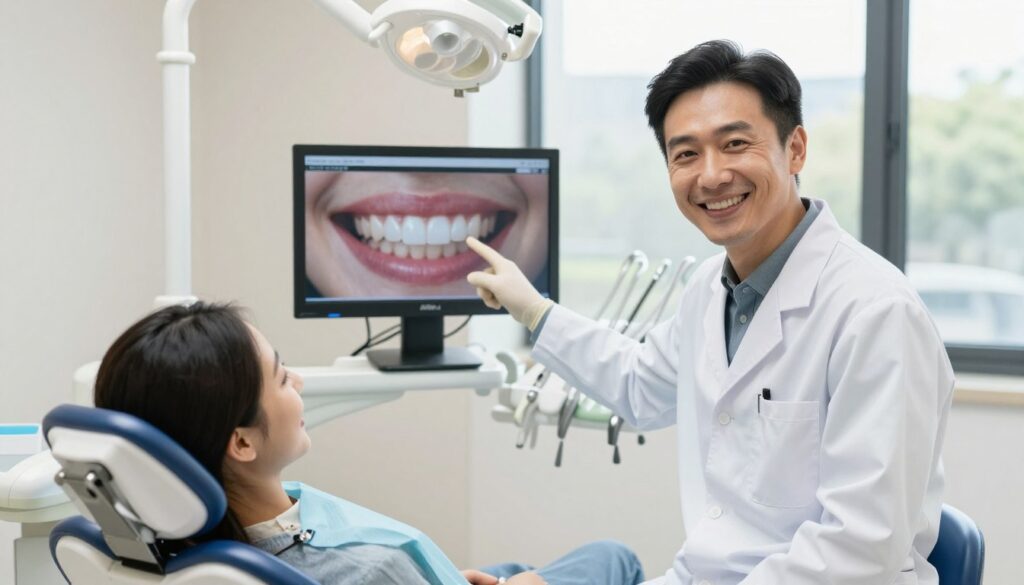
When you glance in the mirror and wish for a change, that feeling is personal and real. Many people in Saudi Arabia weigh how much their smile matters for confidence and daily life. This guide explains the key difference between the provider and the treatments so you can plan with clarity.
First, consider function and health. General care keeps your teeth strong and protects oral health. Routine checkups with dentists focus on prevention and basic dental care.
At the same time, some providers add aesthetic work. A cosmetic dentist or cosmetic dentistry targets color, symmetry, and overall appearance of your teeth. Knowing which path fits your needs helps you choose the right dentist or clinic.
If you live near Dammam, a multispecialty clinic can coordinate both health and looks. This page gives practical guidance to help you plan treatment, budget, and visits at Healthcare Polyclinic via Healthcare.com.sa.
Key Takeaways
- Understand the practical difference between the provider and the treatments.
- General care protects function; aesthetic work improves color and symmetry.
- Your oral health often dictates the starting point for any plan.
- Many dentists offer both types of services in one clinic.
- Multispecialty clinics in Dammam can streamline planning and costs.
What “Cosmetic Dentist” Means vs What “Cosmetic Dentistry” Means
Start by separating the role of the clinician from the list of services they offer.
Cosmetic dentist is the clinician you choose when your goal is to change shade, shape, or symmetry while keeping function healthy. Many of these providers begin as general dentists and then learn smile design, shade matching, and material choice that looks natural.

Cosmetic dentistry refers to the set of treatments and procedures aimed mainly at appearance. Common examples include whitening, veneers, bonding, and gum contouring. These are designed to improve aesthetics and boost confidence.
People confuse the two because clinics often offer both general care and aesthetic services under one roof. A general practitioner may advertise cosmetic dentistry even if they focus mainly on routine care.
“If you’re picking a provider, think ‘who’; if you’re picking a service, think ‘what’.”
- Rule of thumb: choose a cosmetic dentist for provider skill; choose cosmetic dentistry when selecting specific procedures.
Cosmetic Dentist vs Cosmetic Dentistry: Everything You Need to Know Before Impro
Decide what matters most now: a healthier mouth or a whiter, straighter smile. That choice sets your starting line and shapes the care pathway ahead.
How your goal determines the right starting point
If your primary need is appearance, you can often begin with aesthetic treatment options that improve color and shape. If pain, swelling, or signs of infection appear, start with oral health care first.

When you should prioritize oral health over aesthetics
Untreated issues such as decay or gum inflammation can limit cosmetic outcomes. Stabilizing disease makes crowns, veneers, and bonding last longer.
“Address disease first; then plan appearance improvements for lasting results.”
- Common red flags: persistent sensitivity, swelling, bleeding gums, bad taste, or pain when biting.
- Most patients with suspected problems visit a general dentist before aesthetic work.
- A blended plan often treats disease first, then follows with appearance-focused treatment.
| Starting Point | When to Choose | Expected Outcome |
|---|---|---|
| Oral health care | Symptoms of pain, infection, or bleeding | Stable mouth for future treatments |
| Appearance-focused treatment | Healthy gums and no active decay | Improved smile aesthetics and confidence |
| Blended plan | Minor issues plus cosmetic goals | Durable, esthetic results |
General Dentist vs Cosmetic Dentist: Differences in Focus and Outcomes
Start by looking at what each provider focuses on day to day. That view makes it easier to pick the right path for your goals in Saudi Arabia.
General dentistry: preventive care, diagnosis, and essential treatment
General dentistry centers on keeping your mouth healthy and pain-free. Routine exams, cleanings, and screenings catch issues early.
These steps form the backbone of preventive care. They reduce the chance you’ll need complex work later.
Smile design: symmetry, color, and overall appearance
Work that targets appearance evaluates tooth size, shape, and alignment. Providers use shade matching, veneers, and bonding to create a natural look.
A general cosmetic approach is common in many clinics; more advanced esthetic planning is offered by specialists with extra training.
How appearance and function can overlap in real-life care
In practice, outcomes often blend. A crown can restore chewing and also improve how your teeth look.
Replacing a missing tooth helps chewing and boosts your appearance smile at the same time. You don’t have to choose one track forever; needs change and so do treatment plans.
Dental Services You Can Expect From a General Dentist
A general practitioner handles the basic treatments that keep your mouth healthy and functional. These dental services form the foundation of any further smile work and protect long-term oral health.
Routine checkups, cleanings, and oral cancer screening
At each visit, dentists examine your mouth, take X-rays if needed, and perform professional cleanings to remove plaque and tartar. Oral cancer screening is a quick check to catch concerns early.
Fillings for cavities and repairing tooth structure
Fillings remove decay and restore the shape of a tooth so bacteria cannot reach deeper layers. Modern materials match color and hold up well for chewing.
Root canal therapy for infected or painful teeth
Root canal treatment removes infected pulp, cleans inside the tooth, and seals it. This saves many teeth that would otherwise need extraction.
Gum disease treatment, including scaling and root planing
For bleeding teeth gums, deep cleaning below the gumline removes bacteria and helps the tissues heal. Regular follow-up prevents recurrence.
Extractions and what comes next for missing teeth
Extractions are a last-resort service when a tooth cannot be saved. After removal, your dentist will discuss options for missing teeth, such as bridges or implants.
Crowns and bridges for restoration and stability
Crowns protect damaged teeth and restore chewing. Bridges replace one or more missing teeth to keep your bite stable and help daily function.
Bottom line: solid general dental care makes later aesthetic or restorative work more predictable. Start with these services so any follow-up plans give lasting results.
Cosmetic Dentistry Procedures a Cosmetic Dentist Commonly Offers
Think about which flaws bother you most — color, chips, or gum shape — and plan from there.
Teeth whitening targets stains from diet, smoking, or aging. Professional whitening is more predictable than over-the-counter kits because a clinician controls strength and timing for safer, even results.
Veneers for chips, discoloration, and mild misalignment
Veneers are thin shells bonded to the front of a tooth to improve appearance teeth. They mask chips, stubborn stains, and minor alignment concerns while matching shade and shape to your natural smile.
Dental bonding: fast, minimally invasive repairs
Dental bonding uses tooth-colored resin to reshape edges, close small gaps, and patch minor chips. It is quick and conservative, often done in a single visit.
Gum contouring to rebalance your gumline
When gums make teeth look short or uneven, gum contouring can rebalance proportions. This procedure improves how teeth frame your smile and supports a more natural look.
Smile makeovers with crowns, bridges, and implants
A full smile makeover may combine several cosmetic procedures and restorative steps. Crowns, bridges, and dental implants replace or protect damaged or missing teeth for durable, natural-looking results.
Realistic expectations: every plan is customized. Your provider will evaluate bite, gum health, and enamel before recommending veneers, bonding, or a major makeover so the outcome lasts and looks natural.
Where General Dentistry and Cosmetic Dentistry Overlap
Some procedures deliver both practical repair and a noticeable boost in appearance. That overlap matters because a single plan can solve function and looks at once.
Veneers: look and surface protection
Veneers hide stains and chips while shielding the visible tooth surface. When planned with good hygiene, they support long-term dental care and reduce future wear.
Bonding: reshaping and repair
Bonding reshapes edges for better symmetry and can fill small cavities. Many general cosmetic dentists offer this fast, conservative fix in one visit.
Bridges, dentures, and implants
Prosthetics restore chewing, speech, and facial proportions after missing teeth. They also bring back a natural appearance, so function and confidence return together.
Extractions that lead to replacement choices
An extraction changes bite and the plan for future care. It often shifts focus from simple treatment to replacement planning with implants or bridges.
In many clinics, general cosmetic options let you get multiple steps under one roof. For complex smile makeovers, expect referrals to specialists; for routine needs, general cosmetic dentists handle most work well.
Training and Qualifications: General Dentist vs Cosmetic Dentist
Licensure gives legal permission to practice; extra study shapes higher-level aesthetic skill.
Both clinicians start with a DDS or DMD degree and national licensure. That baseline qualifies a dentist to handle routine care and basic treatments in Saudi Arabia.
Many professionals then take additional training focused on smile design. These are hands-on courses in shade matching, veneers, bonding, and modern materials that mimic natural enamel.
Advanced and specialty pathways
Prosthodontics is the formal specialty for complex restorative work that often overlaps with esthetic goals. Accreditation programs, like AACD-style pathways, and ongoing courses signal commitment to updated skills.
“Good outcomes come from planning, precision, and the right material choices.”
| Qualification | Focus | Typical study |
|---|---|---|
| DDS / DMD + Licensure | General care | Undergraduate dental school, exams |
| Postgraduate courses | Smile design, veneers, bonding | Hands-on workshops, mentorship |
| Prosthodontics specialty | Advanced restorations, implants | Residency, prosthetic training |
Why this matters: esthetic results depend on both art and science. Art guides proportion and color. Science guides bonding protocols, occlusion, and durability. Check a provider’s training and continuing education before booking a major plan.
Cost and Coverage in Saudi Arabia: What You’re Likely to Pay For
Costs and what insurers cover often decide the timing of your treatment. In Saudi plans, preventive care and medically needed restorative work are more likely to be covered because they protect oral health.
Why preventive care and restorative treatment are typically more covered
Insurers aim to avoid bigger claims later. Routine exams, cleanings, and repairs for decay fall under this logic.
This is why general dentistry visits and fillings often get partial or full coverage.
Why some aesthetic procedures are usually out-of-pocket
Treatments done mainly for looks, such as whitening and veneers, are usually elective. That means most plans treat them as personal expenses.
Pricing factors that change your total cost
- Materials: ceramic veneers cost more than composite resin.
- Complexity: full-mouth planning raises fees.
- Number of teeth treated and lab work.
- Clinician experience and digital diagnostics.
When a procedure may gain partial coverage
There is a gray zone. If the work restores function or tooth structure, insurers may classify it as medically necessary.
For example, certain crowns and bridges placed after decay or fracture can receive coverage even when they also improve appearance.
“Plan health-first, then budget for appearance work so treatment flows without interruption.”
Align your budget with your immediate health needs and later cosmetic goals. This way, you’ll avoid pausing care mid-plan and protect long-term oral health.
How to Choose the Right Option for Your Smile Goals in Dammam
Deciding on a path for your smile starts with matching treatment to immediate risks and long-term goals. If symptoms like pain, sensitivity, bleeding gums, or suspected decay are present, start with diagnostics and stabilizing care.
If you have pain, sensitivity, bleeding gums, or suspected decay
Begin with a full diagnostic visit. This typically includes exam and charting, periodontal assessment, oral cancer screening, and bitewing X-rays when needed. Stabilizing oral health makes later aesthetic treatments safer and more durable.
If you want a brighter smile, more even teeth, or a confidence boost
A face-to-face smile assessment can be the first step. It focuses on smile analysis, facial lines, tooth size and position, color recording, jaw function, and a general review of tooth and gum health.
What a face-to-face smile assessment vs a full exam and X-rays includes
- Smile assessment: cosmetic goals, alignment discussion, shade recording, and suitability for aligners or veneers.
- Full exam + X-rays: comprehensive charting, periodontal probing, oral cancer screen, bitewing films, plus scale, polish, and fluoride if needed.
Why a multispecialty, patient-centered approach helps
When health and appearance overlap, coordinated services reduce gaps between departments. A team approach improves sequencing, diagnostics, and planning for combined treatments.
“Plan health-first; match aesthetic treatments to a stable, well-diagnosed foundation.”
About Healthcare Polyclinic in Dammam: Healthcare Polyclinic is the official online presence of Healthcare Polyclinic (Healthcare Medical Company), a private multispeciality provider founded in March 2018. The site helps patients learn about departments, services, and contact details.
The clinic emphasizes comprehensive patient care, advanced diagnostics, personalized treatment plans, experienced clinicians, and modern technology. Use their online information to plan visits and discuss options with dentists and specialists.
Safety note: invasive or surgical treatments carry risk. Ask questions, request details about alternatives, and consider a second opinion before irreversible changes.
Conclusion
A clear plan begins by matching immediate risks with long-term smile goals.
Summary: a general dentist focuses on prevention and essential care while cosmetic dentists work on appearance and smile aesthetics. Many treatments overlap and can solve both function and looks.
Stabilize disease and function first through general dentistry. Then consider elective aesthetic work for lasting results. Check diagnosis quality, treatment planning, before/after cases, materials, and how the dentist explains risks and upkeep.
If you want coordinated care in Dammam, a multispeciality clinic helps sequence services and reduces gaps. Healthcare Polyclinic (founded March 2018) offers advanced diagnostics and personalized plans.
Next step: visit Healthcare.com.sa, the official site of Healthcare Polyclinic, to review departments, dental services, and contact details for a tailored plan that balances health and appearance.