
Did you know that 1 in 10 adults worldwide suffers from chronic kidney disease (CKD)? This condition damages the kidneys, making it hard for them to filter blood.
It’s important to understand the stages of CKD to manage the disease. At Healthcare Medical Centre in Dammam, Saudi Arabia, a team of experts is ready to help. They focus on giving top-notch care to those with kidney disease.
The centre has been accredited by CBAHI for over four years. They offer cutting-edge treatments to help you live better with your condition.
Key Takeaways
- CKD is a condition where the kidneys are damaged and can’t filter blood properly.
- Understanding the stages of CKD is key to managing the disease.
- Healthcare Medical Centre provides detailed care for kidney disease patients.
- The centre is accredited by CBAHI and has been operational for over four years.
- They have advanced treatments to help manage CKD and improve your life quality.
Understanding Your Kidneys and Their Function
The kidneys are vital organs that do many important things for your health. They help control blood pressure and keep the right balance of salts and water. Your kidney health is very important for your body to work right.
The Role of Kidneys in Your Body
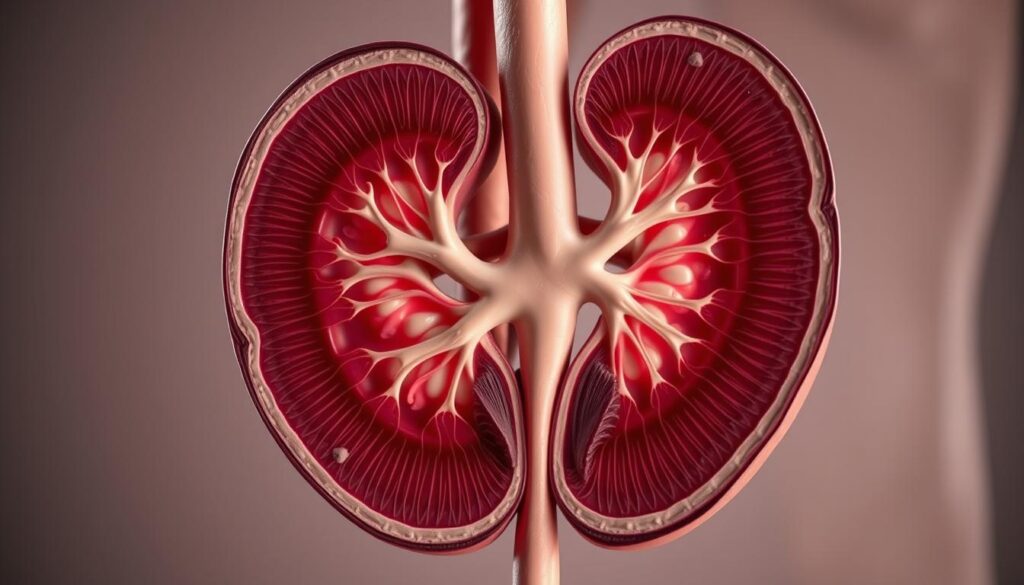
Your kidneys clean your blood, control blood pressure, and help keep your body healthy. They make sure you have the right amount of fluids and salts. They also make hormones that help make red blood cells and keep your bones strong.
The kidneys do several key things:
- They filter waste and extra fluids from your blood.
- They help control blood pressure.
- They keep the balance of salts right.
- They make a hormone that helps make red blood cells.
- They help activate vitamin D for strong bones.
How Healthy Kidneys Work
Healthy kidneys work hard to clean your blood. They remove waste and extra stuff. They also decide how much urine you make based on how much you drink and your body’s needs. This process is key to keeping your body stable.
| Kidney Function | Description |
|---|---|
| Filtration | Removing waste and extra stuff from the blood |
| Regulation | Keeping blood pressure and salt balance right |
| Hormone Production | Making hormones for red blood cells and vitamin D |
Knowing how your kidneys work is the first step to understanding renal impairment and kidney disease. Keeping your kidneys healthy can stop or slow kidney failure.
What is Chronic Kidney Disease?
Understanding Chronic Kidney Disease (CKD) is key to early detection and management. CKD is a condition where the kidneys slowly lose function over time.
Defining Chronic Kidney Disease
CKD is diagnosed when there’s kidney damage or a decrease in function for three months or more. If not managed, it can lead to serious health issues.
Kidney damage can come from diabetes, high blood pressure, and genetic disorders. Tests show kidney damage by measuring waste in the blood and protein in the urine.
Common Causes of Kidney Damage
The main causes of kidney damage are:
- Diabetes
- Hypertension (high blood pressure)
- Glomerulonephritis (inflammation of the glomeruli)
- Polycystic Kidney Disease (PKD)
- Recurrent kidney infections
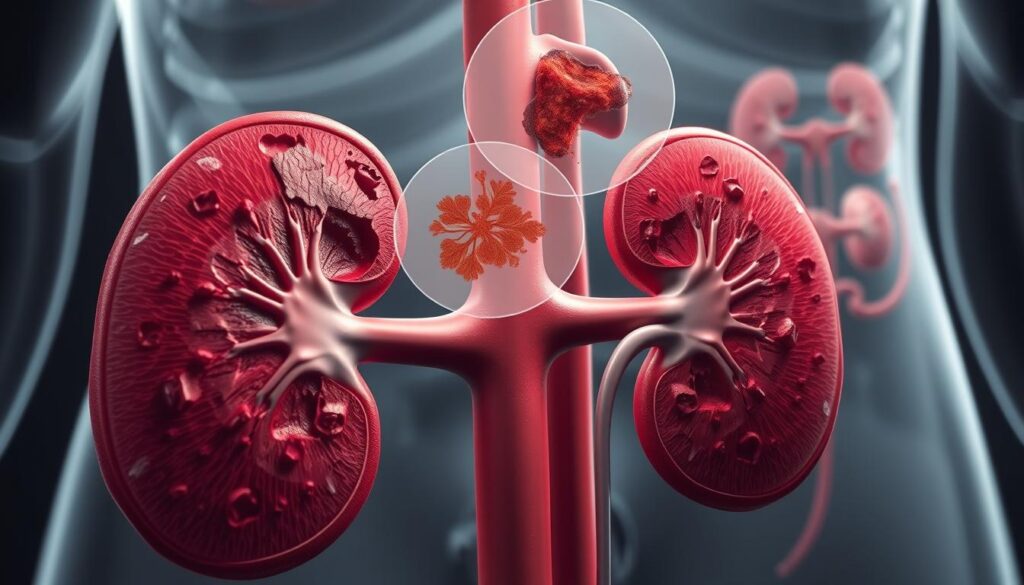
These conditions make it hard for the kidneys to filter waste and excess fluids. This leads to a buildup of toxins.
Risk Factors in Saudi Arabia
In Saudi Arabia, certain factors raise the risk of CKD. These include:
| Risk Factor | Description |
|---|---|
| Diabetes | A leading cause of CKD, diabetes damages the kidneys’ filters. |
| Hypertension | High blood pressure can damage the kidneys and reduce their function. |
| Family History | A family history of kidney disease increases the risk. |
| Obesity | Being significantly overweight can increase the risk of developing CKD. |
If you’re in Dammam and worried about CKD, seeing a healthcare professional is vital. The Healthcare Medical Centre, on 17th Street, Al Souq, Dammam, can be reached at +966 13 808 5111 for expert advice and care.
How Kidney Function is Measured
Measuring kidney function is key for diagnosing and managing kidney disease. Your kidneys filter waste from your blood. This helps us see how well they’re doing this job.
Glomerular Filtration Rate (GFR) Explained
The Glomerular Filtration Rate (GFR) shows how well your kidneys filter waste. It’s based on your serum creatinine levels, age, and gender. A lower GFR means your kidneys aren’t working as well.
For instance, a GFR of 90 ml/min/1.73m2 or above is normal. But a GFR below 60 ml/min/1.73m2 might show kidney disease.
| GFR Category | GFR Value (ml/min/1.73m2) | Kidney Function Status |
|---|---|---|
| Normal | 90 or above | Normal kidney function |
| Mildly decreased | 60-89 | Mild kidney damage |
| Moderately decreased | 30-59 | Moderate kidney damage |
| Severely decreased | 15-29 | Severe kidney damage |
| Kidney failure | Less than 15 | Kidney failure or end-stage renal disease |
Other Important Diagnostic Tests
Other tests also check your kidney function. These include:
- Urine tests to find protein or blood in your urine, which can mean kidney damage.
- Blood tests to measure waste products like creatinine and urea in your blood.
- Imaging tests such as ultrasound or CT scans to see your kidneys.
These tests help doctors understand your kidney health. They make better decisions about your care.
The Five Chronic Kidney Failure Stages
Chronic kidney disease (CKD) has five stages, each with its own signs and treatment needs. Knowing these stages is key to keeping your kidneys healthy.
The stages of CKD are based on the glomerular filtration rate (GFR). This rate shows how well your kidneys work. Doctors use it to find out how damaged your kidneys are and what treatment you need.
Stage 1: Kidney Damage with Normal Function
In Stage 1, your kidneys show damage but work fine (GFR ≥90 mL/min/1.73m2). You might have protein or blood in your urine. But your kidneys are doing their job.
Early detection is key in Stage 1. It lets doctors start treatments early to slow the disease.
Stage 2: Mild Decrease in Kidney Function
Stage 2 means your GFR is slightly lower (60-89 mL/min/1.73m2). You might not feel sick yet. But your kidneys are losing their filtering power.
“Early intervention can significantly impact the progression of kidney disease,” says a leading nephrologist.
Stage 3: Moderate Decrease in Kidney Function
Stage 3 is split into 3a (GFR 45-59 mL/min/1.73m2) and 3b (GFR 30-44 mL/min/1.73m2). Your kidney function drops more, and you might feel tired or swollen.
Monitoring and adjusting your treatment is vital in Stage 3. It helps manage problems and slow the disease.
Stage 4: Severe Decrease in Kidney Function
Stage 4 means your GFR is very low (15-29 mL/min/1.73m2). You’re at risk for serious problems. You might need to start thinking about dialysis or a transplant.
At this stage, getting ready for dialysis or a transplant is important. You also need to manage symptoms and prevent more damage.
Our healthcare center offers full care for CKD patients. We have advanced tests and tailor-made treatments. Knowing your CKD stage is the first step to better management and a better life.
Symptoms and Complications at Each Stage
Knowing the symptoms and complications of each CKD stage is key to managing the disease. As you move through the stages, symptoms can worsen, impacting your health in many ways.
Early Stage Symptoms (Often Silent)
In the early stages of CKD, you might not notice any symptoms. The disease can be “silent,” making regular check-ups vital for early detection. Some people might notice:
- Swelling in the feet, ankles, or face due to fluid retention
- Changes in urination, such as foamy or bubbly urine
- Fatigue or feeling weak
These early signs are subtle but important. They signal the need for further investigation.
Middle Stage Manifestations
In the middle stages, symptoms become more obvious. They can include:
| Symptom | Description |
|---|---|
| Anemia | A decrease in red blood cells, leading to fatigue and weakness |
| Bone Disease | CKD can lead to bone mineral disorders, causing bone pain and increased risk of fractures |
| Electrolyte Imbalance | Changes in the levels of potassium, sodium, and other electrolytes can lead to muscle cramps, irregular heartbeat, and other complications |
At this stage, managing symptoms and slowing disease progression is a priority.
“Early detection and management of CKD can significantly improve the quality of life for patients.”
Late Stage Complications
In the late stages of CKD, complications can be severe. They may include:
- Fluid buildup in the lungs (pulmonary edema)
- Severe electrolyte imbalances
- Cardiovascular disease
At this stage, interventions like dialysis or kidney transplantation may be needed.
If you’re experiencing symptoms or are at risk of CKD, seek care from a specialized healthcare provider. The Healthcare Medical Centre in Dammam, Saudi Arabia, offers kidney care services. They include diagnosis, treatment, and management of CKD.
Treatment Options Throughout Kidney Disease Progression
Treating CKD is not a one-size-fits-all approach. It needs a plan that fits the disease’s stage and how it’s progressing. As CKD gets worse, the treatment plan changes to meet the patient’s new needs.
Lifestyle Modifications
Making lifestyle changes is key in managing CKD. Dietary adjustments, like eating less protein and watching sodium and potassium, can slow the disease. Regular physical activity and keeping a healthy weight are also important. Quitting smoking and drinking less alcohol are good for your overall health.
Medication Management
Medicines are vital in treating CKD and its complications. Doctors often prescribe drugs to control blood pressure, lower cholesterol, and treat anemia. Sticking to your medication is essential to slow the disease and manage symptoms.
Dialysis Options in Saudi Arabia
When CKD reaches end-stage renal disease (ESRD), dialysis is needed. In Saudi Arabia, patients can choose from hemodialysis and peritoneal dialysis. The right choice depends on the patient’s health, lifestyle, and what they prefer.
Kidney Transplantation
Kidney transplantation is an option for ESRD patients. It can lead to a more normal life than dialysis. But, it’s a big decision that requires careful thought and matching to ensure it’s right for the patient. Aftercare is critical for the transplant’s success.
The centre offers a wide range of treatments for CKD. This includes lifestyle changes, medication, dialysis, and kidney transplantation. By customizing the treatment plan to each patient’s needs, they get the best care for their CKD.
Living with Chronic Kidney Disease in Saudi Arabia
Managing CKD in Saudi Arabia means getting medical care, changing your lifestyle, and understanding cultural differences. As a patient, you must work with the healthcare system and make lifestyle changes to handle your condition.
Support Systems and Resources
Having a strong support system is key for CKD management. In Saudi Arabia, you can find help from family, healthcare teams, and support groups. Family support is very important, as it offers emotional and practical help.
Healthcare in Saudi Arabia provides full care, including nephrology, dialysis, and transplant services. Access to these services is critical for managing CKD well.
| Support System | Description | Benefits |
|---|---|---|
| Family Support | Emotional and practical assistance from family members | Improved patient well-being, better adherence to treatment plans |
| Healthcare Providers | Comprehensive medical care, including nephrology services and dialysis | Effective management of CKD, improved quality of life |
| Support Groups | Community-based groups for sharing experiences and advice | Emotional support, practical advice, and a sense of community |
Cultural Considerations
Cultural factors greatly affect CKD management. In Saudi Arabia, cultural beliefs and practices can influence treatment and lifestyle choices. It’s important to understand and respect these cultural aspects for better patient care.
For example, during Ramadan, CKD patients might need to adjust their treatment plans. Healthcare providers should guide them on managing CKD during religious times.
Quality of Life Strategies
Keeping a good quality of life is a main goal for CKD patients. This includes making dietary changes, staying active, and managing stress. Dietary changes are very important as they can slow down CKD progression and prevent complications.
- Follow a kidney-friendly diet low in salt, phosphorus, and potassium
- Engage in regular physical activity, such as walking or swimming
- Practice stress-reducing techniques, such as meditation or deep breathing
By using these strategies and the support available, CKD patients in Saudi Arabia can improve their quality of life and manage their condition well.
Healthcare Medical Centre’s Comprehensive Kidney Care Services
At Healthcare Medical Centre, we focus on kidney care. We aim to give top-notch care to those with chronic kidney disease. Our goal is to provide you with care that fits your needs every step of the way.
Our Specialized Nephrology Team
Our nephrology team is full of skilled professionals. They are dedicated to giving you expert care. Our specialists create a treatment plan just for you, based on your needs.
Advanced Diagnostic Capabilities
We use the latest technology to check your kidney health at Healthcare Medical Centre. Our advanced tools help us spot problems early. This means we can act fast to help you.
| Diagnostic Test | Description | Benefit |
|---|---|---|
| GFR Assessment | Measures kidney function by estimating the volume of filtered fluid through the glomeruli | Helps in staging kidney disease |
| Urine Analysis | Examines the physical and chemical properties of urine | Aids in detecting abnormalities and infections |
| Kidney Biopsy | Involves taking a sample of kidney tissue for examination | Provides detailed information about kidney damage or disease |
Treatment Programs and Follow-up Care
We have treatment plans to manage your kidney condition. Our goal is to slow disease and improve your life. Our team keeps a close eye on your health and adjusts your treatment as needed.
How to Access Our Services in Dammam
If you’re in Dammam and need kidney care, we’re here for you. Just call us to set up a meeting with our nephrology team. We want to make it simple for you to get the care you need.
Conclusion
Understanding chronic kidney disease (CKD) and its stages is key to managing it well. We’ve seen how slowing CKD’s progression is possible with the right care. This shows how vital kidney health and renal care are.
The Healthcare Medical Centre in Dammam, Saudi Arabia, focuses on helping patients with CKD. They have a team of nephrology experts and the latest diagnostic tools. This allows them to create treatment plans that fit each patient’s needs.
By actively managing CKD, you can improve your life quality. If you’re worried about your kidney health, getting help from a place like the Healthcare Medical Centre is important. It’s a big step towards managing and treating CKD effectively.
FAQ
What are the stages of chronic kidney disease?
Chronic kidney disease has five stages. Each stage is based on how well the kidneys work. The first stage has kidney damage but normal function. The last stage, Stage 5, means the kidneys barely work.
How is kidney function measured?
Kidney function is mainly checked by the glomerular filtration rate (GFR). This rate shows how much fluid the kidneys filter each minute. Doctors also use urine tests and imaging to check the kidneys.
What are the common causes of kidney damage?
Kidney damage often comes from diabetes, high blood pressure, and certain diseases. In Saudi Arabia, diabetes and high blood pressure are big risks for kidney disease.
What are the symptoms of chronic kidney disease?
Symptoms vary by stage. Early stages might not show symptoms. Later stages can cause fatigue, swelling, and changes in urination. Advanced stages lead to anemia and bone disease.
What treatment options are available for chronic kidney disease?
Treatments include diet changes, exercise, and medicines for blood pressure and diabetes. Dialysis filters waste from the blood. In severe cases, a kidney transplant is an option.
How can I manage my kidney disease?
Managing kidney disease means living a healthy lifestyle. Eat well, exercise, and take your medicines. Regular check-ups help slow the disease’s progress.
What support systems are available for patients with chronic kidney disease in Saudi Arabia?
Saudi Arabia offers healthcare, support groups, and educational resources for kidney disease patients. These help with care, improve life quality, and meet cultural needs.
Can chronic kidney disease be prevented?
Some risks, like family history, can’t be changed. But, managing diabetes and high blood pressure, staying healthy, and not smoking can lower kidney disease risk.
How does the Healthcare Medical Centre support patients with chronic kidney disease?
The Healthcare Medical Centre offers full kidney care. They have a nephrology team, advanced tests, and tailored treatments. Their goal is to provide top-notch care and support.