

Do you know the silent signs that could be affecting your health? Many people with chronic kidney disease don’t show symptoms until it’s too late. It’s important to know the signs and take care of your health.
But how do you spot these signs? The truth is, kidney disease symptoms can be hard to notice. Knowing the signs is the first step to taking control of your health. By recognizing the signs of kidney disease, you can get medical help early.
Key Takeaways
- Understanding the signs of kidney disease is key for early detection.
- Many people with chronic kidney disease don’t show symptoms until it’s advanced.
- Being aware of the symptoms can help you take proactive steps towards your health.
- Recognizing the signs can lead to early medical intervention.
- Staying informed is key to maintaining your overall well-being.
Understanding Your Kidneys and Their Function
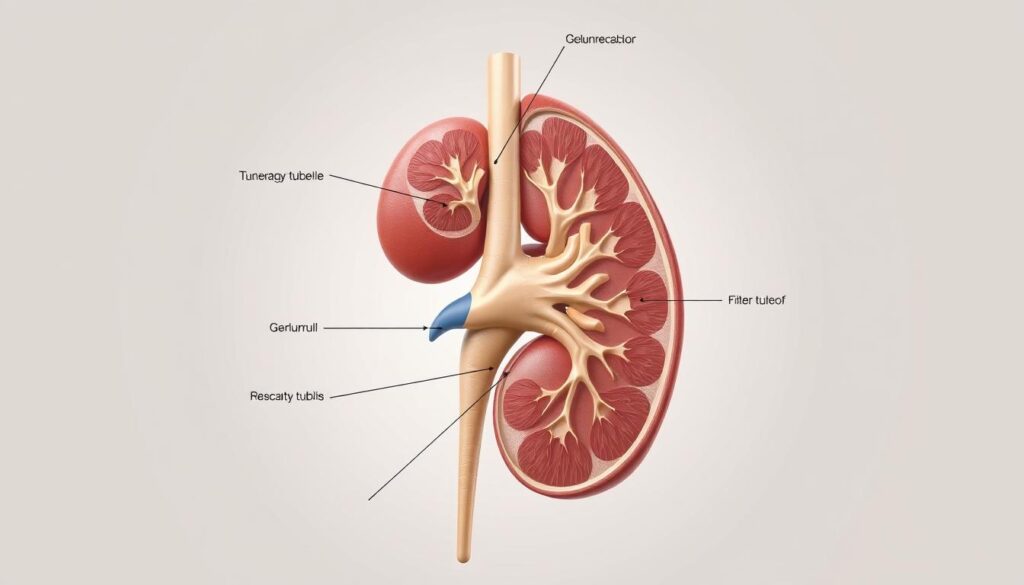
Your kidneys are vital organs that filter waste from your blood. They are bean-shaped and located in the lower back. They work hard to keep your body balanced.
The Role of Kidneys in Your Body
Your kidneys do many important jobs. They filter waste products and excess fluids from your blood. This is then excreted in your urine.
They also help regulate the balance of fluids in your body. They keep electrolytes and minerals at healthy levels. Your kidneys produce hormones that help control blood pressure and stimulate red blood cell production. They also activate vitamin D, which is key for bone health.
How Kidneys Filter Blood and Create Urine
The process of filtering blood and creating urine is complex. It involves tiny units called nephrons in the kidneys. Each nephron filters the blood, removing waste and excess substances.
This waste becomes part of the urine. The urine then flows through the renal pelvis into the ureters and into the bladder. It is stored there until it is expelled from the body.
Healthy kidneys filter about 200 liters of blood daily. They produce about 1-2 liters of urine. This is important for removing toxins and maintaining balance in the body.
The Impact of Kidney Health on Overall Wellbeing
The health of your kidneys affects your overall wellbeing. When they work well, they help regulate blood pressure and maintain electrolyte balance. They also support bone health.
But when kidney function is impaired, it can lead to health issues. Recognizing signs of kidney disease is key. These include changes in urination patterns, swelling, and fatigue.
If you notice these kidney disease symptoms, seek medical attention. Healthcare Medical Centre offers diagnostic services and treatment for kidney disease. Early detection and intervention are vital.
Understanding your kidneys and their role in your health is important. You can protect them by living a healthy lifestyle. This includes a balanced diet and regular exercise. For personalized care, consult with healthcare professionals at Healthcare Medical Centre.
What is Kidney Disease?
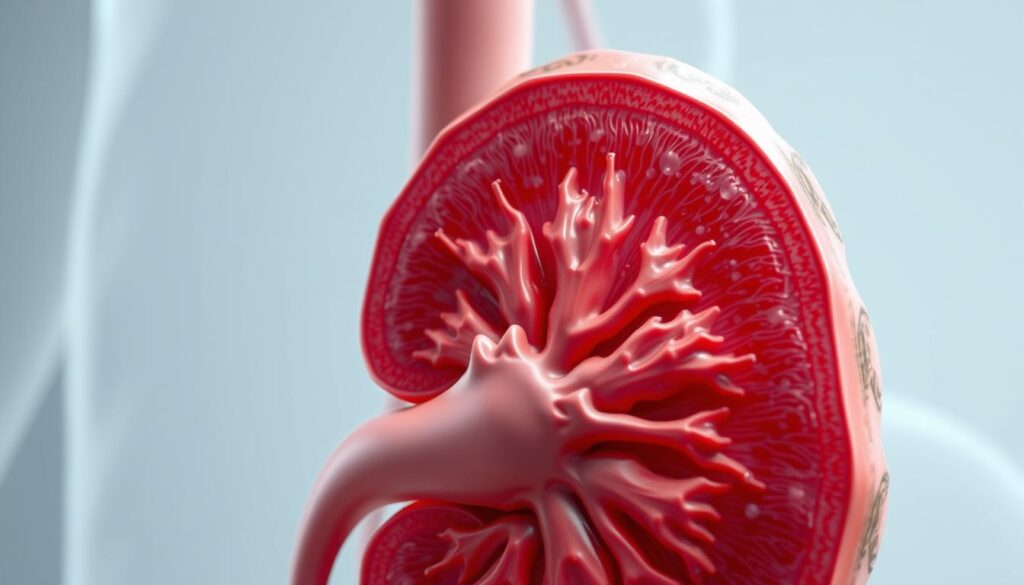
In Saudi Arabia, kidney disease is becoming more common. It’s important to know about it. Kidney disease damages the kidneys and makes them work poorly. Chronic kidney disease symptoms can start slowly and may not be noticed until it’s too late.
Definition and Types of Kidney Disease
Kidney disease includes many conditions that harm the kidneys. The main types are diabetic nephropathy, glomerulonephritis, and polycystic kidney disease. Knowing about these is key for catching the disease early.
“Kidney disease is a big health problem worldwide,” says a top nephrologist. “Finding it early and treating it can really help patients.”
Acute vs. Chronic Kidney Disease
Kidney disease can be acute or chronic. Acute kidney disease symptoms come on fast and might get better with quick treatment. Chronic kidney disease, though, is a long-term issue that can cause permanent damage if not treated.
- Acute kidney injury (AKI) is often caused by dehydration, medication, or infection.
- Chronic kidney disease (CKD) is usually caused by diabetes, high blood pressure, or genetic disorders.
The Progression of Kidney Disease
Kidney disease often moves quietly, with symptoms showing up late. Regular health checks and screenings are key for catching it early. As it gets worse, it can cause heart disease, anemia, and bone problems.
Prevalence in Saudi Arabia
Kidney disease is a big worry in Saudi Arabia, thanks to high rates of diabetes and hypertension. Studies show a lot of people in Saudi Arabia have CKD. This highlights the need for more awareness and prevention.
Learning about kidney disease and its signs can help you protect your kidneys. Regular health checks and a healthy lifestyle can lower your risk of getting kidney disease.
Common Kidney Disease Symptoms You Shouldn’t Ignore
Kidney disease often goes unnoticed, but there are important symptoms to watch for. Recognizing these signs early can help you get medical help before it’s too late.
Physical Symptoms to Watch For
Some physical signs can point to kidney disease. Look out for swollen ankles, feet, or hands from fluid buildup. You might also feel tiredness and fatigue from toxins. Shortness of breath can happen if fluid builds up in the lungs.
You could also notice weight loss and poor appetite. These are signs of advanced kidney disease.
Changes in Urination Patterns
Changes in urination can be a big warning sign. Seeing blood in your urine is a clear sign of trouble. You might also find you’re urinating more or less than usual.
These changes can mean your kidneys are not working right.
Pain and Discomfort Indicators
Pain from kidney disease can show up in different ways. You might feel pain in your back or sides, which could mean kidney damage or infection. Kidney disease can also cause discomfort or pain while urinating.
Being aware of these symptoms can help you act fast if you notice them. If you see any of these signs, it’s key to talk to a healthcare professional. They can figure out the cause and what treatment you need.
Early Signs of Kidney Disease
Knowing the early signs of kidney disease can help you stay healthy. Kidney disease often starts quietly, but catching it early can make a big difference.
Subtle Changes in Urination
One of the first signs of kidney disease is changes in how you pee. You might pee more or less than usual. The pee could look foamy, dark, or even bloody. Noticing these changes can help spot kidney problems early.
- Foamy or bubbly urine
- Dark or bloody urine
- Increased or decreased urination frequency
Fatigue and Unexplained Weakness
Fatigue is a common sign of kidney disease. Your kidneys make a hormone that helps make red blood cells. If your kidneys aren’t working right, you might feel very tired or weak. If you’re feeling unusually tired or weak without a clear reason, it’s worth discussing with your healthcare provider.
Swelling in Extremities
Kidney disease can cause your body to hold onto fluid, leading to swelling. This swelling, called edema, happens when your kidneys can’t remove excess fluid. Monitoring for unexplained swelling is key to catching kidney disease early.
How to Monitor for Early Warning Signs
Regular health check-ups are vital for catching kidney disease early. Your doctor can do simple tests to check your kidney function. Also, paying attention to your body’s changes and talking about any unusual symptoms can help in early detection.
- Schedule regular health check-ups
- Be aware of changes in urination and overall health
- Discuss any concerns with your healthcare provider
Advanced Symptoms of Kidney Disease
Advanced kidney disease symptoms can be severe and debilitating. They signal the need for immediate medical intervention. As kidney function declines, the body’s waste removal process is impaired. This leads to a buildup of toxins causing a wide range of symptoms.
Severe Physical Manifestations
You may experience severe physical symptoms as kidney disease advances. These can include:
- Persistent fatigue and weakness
- Swelling in the legs, ankles, and feet due to fluid retention
- Shortness of breath
- Chest pain or tightness
Mental and Cognitive Changes
Kidney disease can also affect your mental and cognitive health. Advanced symptoms may include:
- Difficulty concentrating
- Memory loss
- Mood swings, including depression and anxiety
In some cases, the buildup of toxins can lead to more severe cognitive impairments. This includes confusion and disorientation.
Emergency Warning Signs
Certain symptoms require immediate medical attention. If you experience any of the following, seek emergency care:
| Symptom | Description |
|---|---|
| Severe chest pain | A sign of heart issues related to kidney disease |
| Difficulty breathing | Fluid buildup in the lungs can be life-threatening |
| Seizures or convulsions | A sign of severe toxin buildup affecting the brain |
Recognizing these advanced symptoms of kidney disease is key for timely medical intervention. If you’re experiencing any of these symptoms, don’t hesitate to seek help.
Specific Symptoms by Type of Kidney Condition
Knowing the symptoms of different kidney conditions can help you spot health problems early. Each condition has its own set of symptoms. It’s important to know these differences to manage your health well.
Kidney Infection Symptoms
A kidney infection, or pyelonephritis, needs quick medical attention. Common signs include:
- High fever and chills
- Pain in the back, side, or groin
- Frequent and painful urination
- Blood or pus in the urine
Kidney Stone Symptoms
Kidney stones can cause a range of symptoms. These can be mild or severe. Common signs include:
- Severe pain in the back, side, or lower abdomen
- Painful urination
- Nausea and vomiting
- Blood in the urine
If you think you have a kidney stone, see a doctor for diagnosis and treatment.
Polycystic Kidney Disease Symptoms
Polycystic kidney disease (PKD) is a genetic disorder with many cysts in the kidneys. Symptoms may include:
- Pain in the back or side
- Blood in the urine
- Frequent kidney infections
- High blood pressure
Early detection and management of PKD can slow disease progression.
Glomerulonephritis Symptoms
Glomerulonephritis is inflammation of the kidneys’ filtering units. Symptoms can vary but may include:
- Blood or protein in the urine
- Swelling in the face, hands, and feet
- High blood pressure
- Fatigue and weakness
If you’re experiencing these symptoms, see a healthcare professional for evaluation and treatment.
Risk Factors for Developing Kidney Disease
Many things can raise your chance of getting kidney disease. This includes health issues, lifestyle choices, and genes. Knowing these risks helps you take steps to prevent and catch it early.
Medical Conditions That Increase Risk
Some health problems can make you more likely to get kidney disease. For example, diabetes and high blood pressure are big causes worldwide. They can harm the kidneys’ filters, making them work less well.
Other health issues that might raise your risk include:
- Heart disease
- Obesity
- Liver disease
Lifestyle Factors in Saudi Arabia
Lifestyle choices are also key in getting kidney disease. In Saudi Arabia, eating too much salt and sugar, not moving enough, and smoking can all increase your risk.
It’s also vital to drink enough water, given Saudi Arabia’s hot weather. Drinking enough water helps the kidneys filter waste from the blood.
| Lifestyle Factor | Impact on Kidney Health |
|---|---|
| High Salt Diet | Increases blood pressure, which can damage kidneys |
| Lack of Physical Activity | Contributes to obesity and diabetes, risk factors for kidney disease |
| Smoking | Damages blood vessels, reducing blood flow to kidneys |
Genetic and Hereditary Factors
Genetics can also affect your risk of kidney disease. Conditions like polycystic kidney disease (PKD) are passed down and can lead to kidney failure.
If your family has a history of kidney disease, talk to your doctor about your risk.
How to Assess Your Personal Risk
Understanding your personal risk involves looking at your health history, lifestyle, and genes. Regular health checks can spot risk factors early, helping you act fast.
Here are steps to assess and lower your risk:
- Keep an eye on your blood pressure and sugar levels
- Eat well and stay active
- Don’t smoke and drink alcohol in moderation
- Drink plenty of water and manage your weight
How Kidney Disease is Diagnosed
Diagnosing kidney disease involves several steps and tests. If you’re at risk or have symptoms, your doctor will run tests. These tests check how well your kidneys are working.
Initial Screening Tests
First, you’ll have simple tests. These tests are not invasive. They include:
- Blood tests to check for waste products like creatinine and urea. These show if your kidneys are filtering waste well.
- Urine tests to look for protein or blood. These can mean kidney damage.
Comprehensive Diagnostic Procedures
If the first tests show kidney problems, more tests will follow. These tests are more detailed. They include:
- Imaging tests like ultrasound or CT scans. They help see the kidneys and find any issues.
- Kidney biopsy in some cases. It looks at kidney tissue for disease or damage.
Understanding Your Test Results is key. Your doctor will explain what the results mean for you. Knowing the stage and type of disease helps plan treatment.
Diagnostic Services at Healthcare Medical Centre
Healthcare Medical Centre offers detailed kidney disease tests. Our modern facilities and skilled team aim for accurate diagnoses and effective treatments. Our services include:
| Diagnostic Service | Description |
|---|---|
| Blood Tests | Measuring waste products and other indicators of kidney function. |
| Urine Tests | Checking for abnormalities that may indicate kidney disease. |
| Imaging Tests | Using ultrasound, CT scans, or other technologies to visualize the kidneys. |
If you have kidney disease symptoms or are at risk, see a doctor. Early diagnosis and treatment can slow the disease’s progress.
Treatment Options for Kidney Disease
Managing kidney disease requires a mix of medical treatments and lifestyle changes. At Healthcare Medical Centre, we offer tailored care for your needs.
Medications and Medical Interventions
Medicines are key in treating kidney disease. They help control symptoms, slow disease growth, and manage related issues like high blood pressure and diabetes. Common medicines include:
- ACE inhibitors to control blood pressure
- Phosphate binders to manage phosphate levels
- Diuretics to reduce swelling
Early signs of kidney disease, like changes in urination, can often be managed with medication. This improves your quality of life.
Lifestyle Modifications
Healthy lifestyle choices are essential in managing kidney disease. This includes:
- Dietary changes: Reducing salt, protein, and potassium intake
- Regular exercise: Improving overall health and reducing complications
- Quitting smoking: Reducing the risk of disease progression
These changes can greatly improve your kidney health and overall wellbeing.
Dialysis and Transplantation
In severe cases, dialysis or kidney transplantation may be needed. Dialysis uses a machine to filter your blood, while transplantation replaces your diseased kidney with a healthy one. Healthcare Medical Centre offers both dialysis services and transplantation programs. We provide complete care for advanced kidney disease.
| Treatment Option | Description | Benefits |
|---|---|---|
| Dialysis | Machine filters blood to replace kidney function | Removes waste, balances electrolytes |
| Transplantation | Surgical replacement with a healthy kidney | Restores normal kidney function, improves quality of life |
Treatment Services Available at Healthcare Medical Centre
Healthcare Medical Centre is dedicated to providing complete care for kidney disease patients. Our services include:
- Advanced diagnostic testing
- Personalized treatment plans
- Dialysis and transplantation services
- Ongoing support and monitoring
Recognizing kidney infection symptoms early and seeking timely medical intervention can significantly improve treatment outcomes.
Preventing Kidney Disease: Proactive Steps
Understanding risk factors and taking steps can protect your kidneys. Kidney disease is a big worry in Saudi Arabia. By being proactive, you can make a big difference. This includes changing your diet, staying hydrated, exercising regularly, and getting health check-ups.
Dietary Recommendations
Eating well is key to preventing kidney disease. Aim for a balanced diet with less salt, sugar, and unhealthy fats. Eat more fruits, vegetables, and whole grains to keep blood pressure and sugar levels healthy.
Try to eat less processed food and red meat. Foods high in antioxidants, like berries and leafy greens, are good for your kidneys.
Hydration and Exercise in Saudi Arabia’s Climate
Drinking enough water is very important in Saudi Arabia’s heat. Drink 8-10 glasses of water a day to help your kidneys work right. Your needs might change based on how active you are and the weather.
Regular exercise is also key. Walking, swimming, or cycling can help you stay healthy, manage weight, and lower blood pressure. This can lower your risk of kidney disease.
Regular Health Check-ups
Regular health check-ups are vital for catching kidney disease early. Keep an eye on your blood pressure and sugar levels. If you have diabetes, high blood pressure, or a family history of kidney disease, get tested for kidney function.
Preventive Care Services at Healthcare Medical Centre
Healthcare Medical Centre offers many services to keep your kidneys healthy. Their team of experts provides personalized care. This includes diet advice, health screenings, and managing chronic conditions. Using these services can greatly lower your risk of kidney disease.
Conclusion: Taking Action for Your Kidney Health
It’s important to know the signs of kidney disease to take action for your health. Being aware of symptoms can help spot problems early. This is key to improving your kidney health.
Understanding risk factors and taking steps to prevent disease is vital. Regular health checks and a healthy lifestyle are essential. They help keep your kidneys in good shape.
If you’re worried about your kidney health, see a doctor. At Healthcare Medical Centre, you can get detailed tests and treatments. They’re designed to meet your specific needs.
Start taking care of your kidney health today. Keep an eye on your kidney function. And seek medical help if you notice any unusual symptoms.
FAQ
What are the common symptoms of kidney disease?
Symptoms include changes in how you urinate, feeling very tired, and swelling in your legs and feet. You might also feel pain in your lower back or sides. Other signs are nausea and itching.
How does kidney disease progress?
Kidney disease can get worse over time. Chronic kidney disease (CKD) is a slow loss of function. Acute kidney injury (AKI) is a sudden loss.
What are the risk factors for developing kidney disease?
Risk factors include diabetes, high blood pressure, and a family history of kidney disease. Obesity, smoking, and certain genetic disorders also increase your risk.
How is kidney disease diagnosed?
First, doctors do urine and blood tests. Then, they might use imaging tests and a kidney biopsy. These tests are available at Healthcare Medical Centre.
What are the treatment options for kidney disease?
Treatments include medicines to manage symptoms and slow the disease. Lifestyle changes, dialysis, and kidney transplantation are also options. Healthcare Medical Centre offers these services.
How can I prevent kidney disease?
To prevent it, eat a healthy diet and drink plenty of water. Exercise regularly and manage any health conditions. Regular health check-ups are also important. Healthcare Medical Centre provides preventive care services.
What are the symptoms of kidney infection?
Symptoms include fever, chills, and pain or burning when you urinate. You might also feel pain in your lower back or sides.
What are the symptoms of kidney stones?
Symptoms include severe pain in your lower back or sides, nausea, and vomiting. You might also have trouble urinating.
Can kidney disease be treated with lifestyle changes alone?
Lifestyle changes are important for managing kidney disease. But, they might not be enough on their own. Sometimes, medical treatments are needed to slow the disease.
How often should I have my kidney function checked?
How often you need kidney function checks depends on your risk factors and medical history. Your healthcare provider will tell you the best schedule for you.